Many Cummins generators operate in outdoor environments like construction sites, mines, or remote areas—facing high temperatures, low temperatures, or high altitudes. These extreme conditions can disrupt performance, but following Cummins generator special environment usage skills ensures reliable output. Below, we share targeted solutions based on GoCummins’ real-case experience, helping you address environmental challenges effectively.
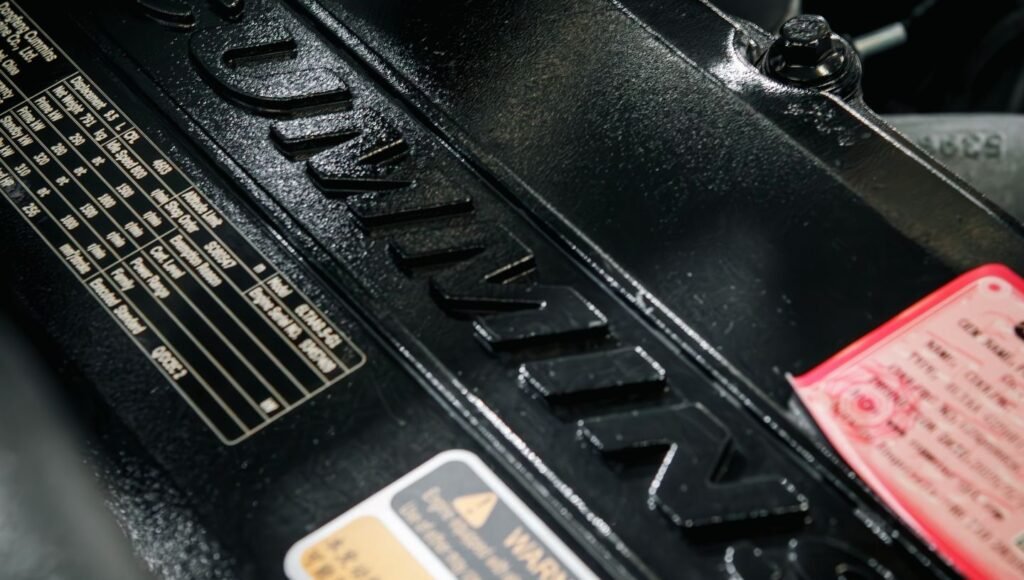
Many customers use generator sets in outdoor scenarios (such as construction sites, mines, and remote areas), facing challenges such as high temperature, low temperature, and high altitude. Combining GoCummins’ case experience, we share targeted solutions:
1. High-Temperature Environments (Above 40℃)
Risks: Engine overheating, coolant boiling, and power reduction (common in southern summers or desert areas).Solutions:① Install high-efficiency cooling fans to enhance heat dissipation. Choose compatible fans from our genuine Cummins generator parts store.② Regularly check coolant levels—use Cummins special coolant (avoid tap water, which causes scale). Test coolant concentration quarterly to maintain heat resistance.③ Place the unit in a well-ventilated area: keep ≥1 meter distance from walls/obstacles and avoid direct sunlight. Use sunshades for outdoor fixed installations.
Refer to Cummins high-temperature operation technical guidelines for model-specific adjustments.
2. Low-Temperature Environments (Below -10℃)
Risks: Oil solidification, battery depletion, and difficult starting (common in northern winters or plateau regions).Solutions:① Replace with low-temperature engine oil (e.g., 5W-40, suitable for -30℃~40℃) to ensure fluidity. Learn more about oil selection in our Cummins generator daily maintenance guide.② Install battery heaters—preheat the battery electrically to maintain starting voltage (critical for cold mornings).③ Add antifreeze to the water tank: keep concentration ≥50% to prevent freezing and cracking. Use Cummins-approved antifreeze for corrosion protection.
For safety tips in cold climates, check Energy.gov’s winter generator operation guidelines.
3. High-Altitude Environments (Altitude >2000 Meters)
Risks: Thin air leads to insufficient combustion and power attenuation (5%~8% power loss per 1000 meters elevation gain, common in Tibet, Qinghai).Solutions:① Optimize the air intake system: install supercharging devices to increase intake pressure and compensate for thin air.② Adjust fuel injection volume—GoCummins technicians provide on-site debugging to match high-altitude combustion needs.③ Regularly clean spark plugs to avoid carbon deposits and ensure reliable ignition. Follow our Cummins generator troubleshooting guide for spark plug maintenance.
Refer to Cummins high-altitude adaptation standards for official specifications.
Case Sharing
A mining customer used GoCummins units at 3500 meters above sea level. By installing supercharging devices + optimizing the air intake system, the unit maintained stable power without attenuation and operated faultlessly for 1 year. Contact us to learn more about custom Cummins generator adaptation solutions.
End Guide
Is your Cummins generator used in a special environment? Share your scenario details with GoCummins—we’ll customize exclusive adaptation solutions to ensure stable output in any condition.
For professional installation of environment-specific accessories (e.g., heaters, superchargers), book our certified Cummins service and review our warranty policy for coverage details.